
Explore stories, updates, and insights from the Prison Entrepreneurship Program, including news from our newsletter, participant successes, and program updates.
-
Why Some People Struggle Even With Opportunity

Opportunity Is Not Always Enough Opportunity is often seen as the solution to reentry challenges. Access to jobs, education, or support programs is critical, but it does not guarantee success. Some individuals receive opportunities and still struggle to move forward. This is not always a lack of effort. It is often the result of deeper…
-
The Importance of Understanding Value in Business and Life
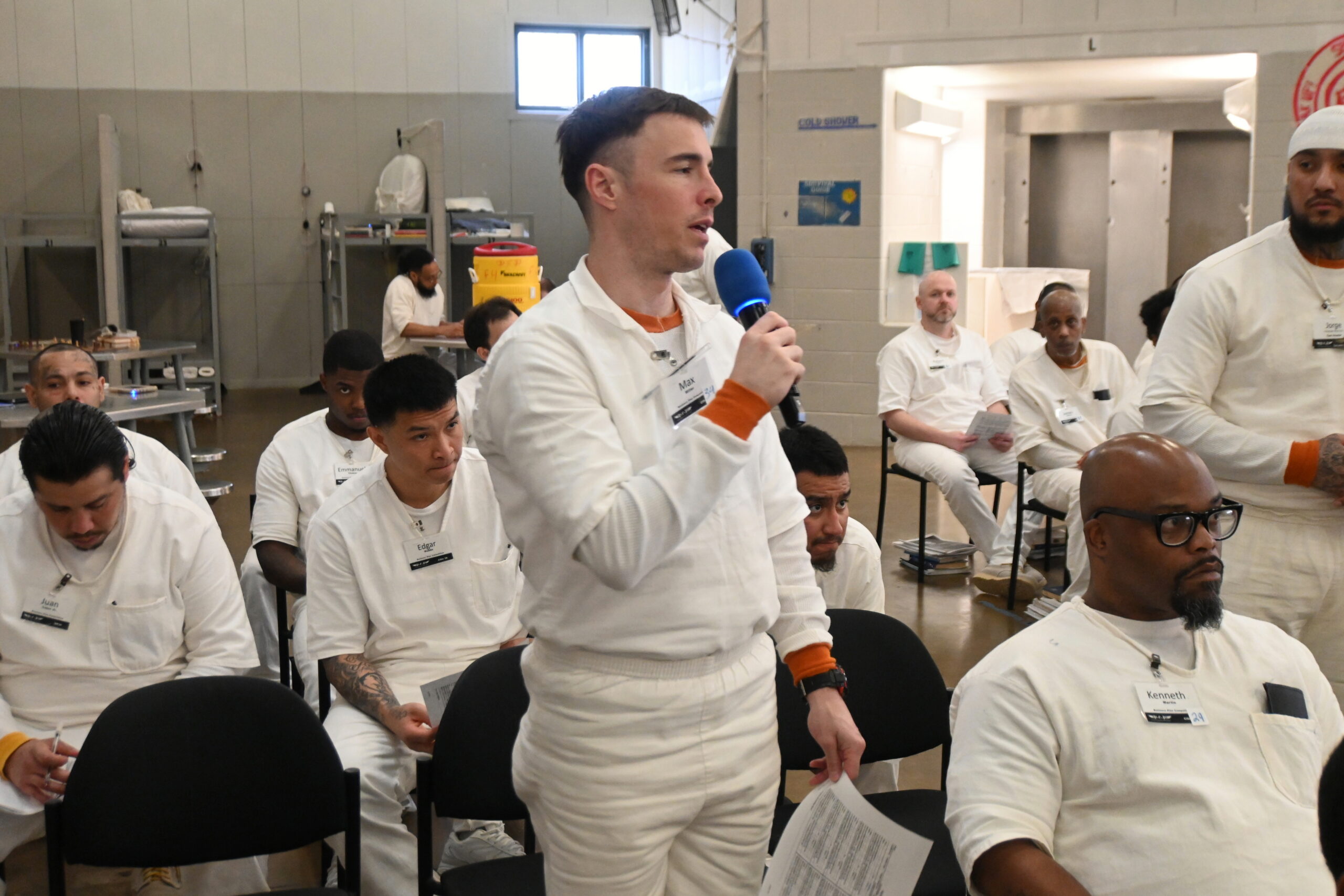
Value Is What Creates Opportunity After incarceration, many individuals focus on finding opportunity. While access matters, opportunity is often created through value. Value is what someone brings to a situation. It can be skills, effort, reliability, or problem solving ability. In both business and life, those who create value are more likely to find and…
-
Why Self Control Matters More Than Willpower

Why Willpower Is Not Enough After incarceration, many individuals rely on willpower to make changes. Willpower can help in the moment. It allows someone to resist temptation or push through a difficult situation. However, willpower is limited. It depends on energy, emotion, and circumstances. Over time, it can fade, especially under stress. This is why…
-
What Sustainable Success Actually Looks Like After Prison
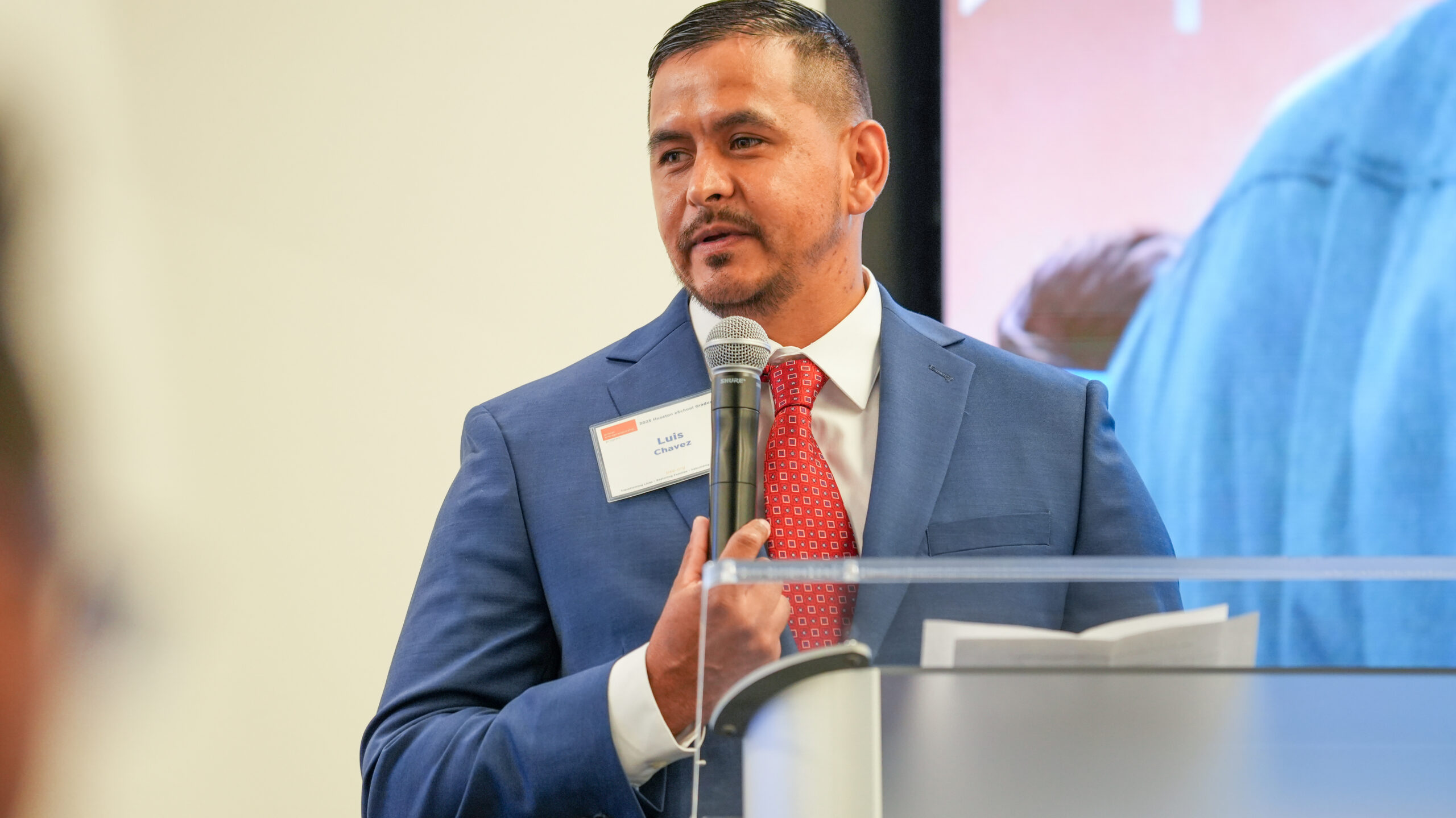
Success That Lasts Over Time After incarceration, success is often measured by immediate achievements. Getting a job, securing housing, or completing a program are all important steps. However, sustainable success goes beyond these early milestones. It is not just about achieving progress, but about maintaining it over time. True success is built on consistency, stability,…
-
How Workplace Culture Impacts Second Chance Employees
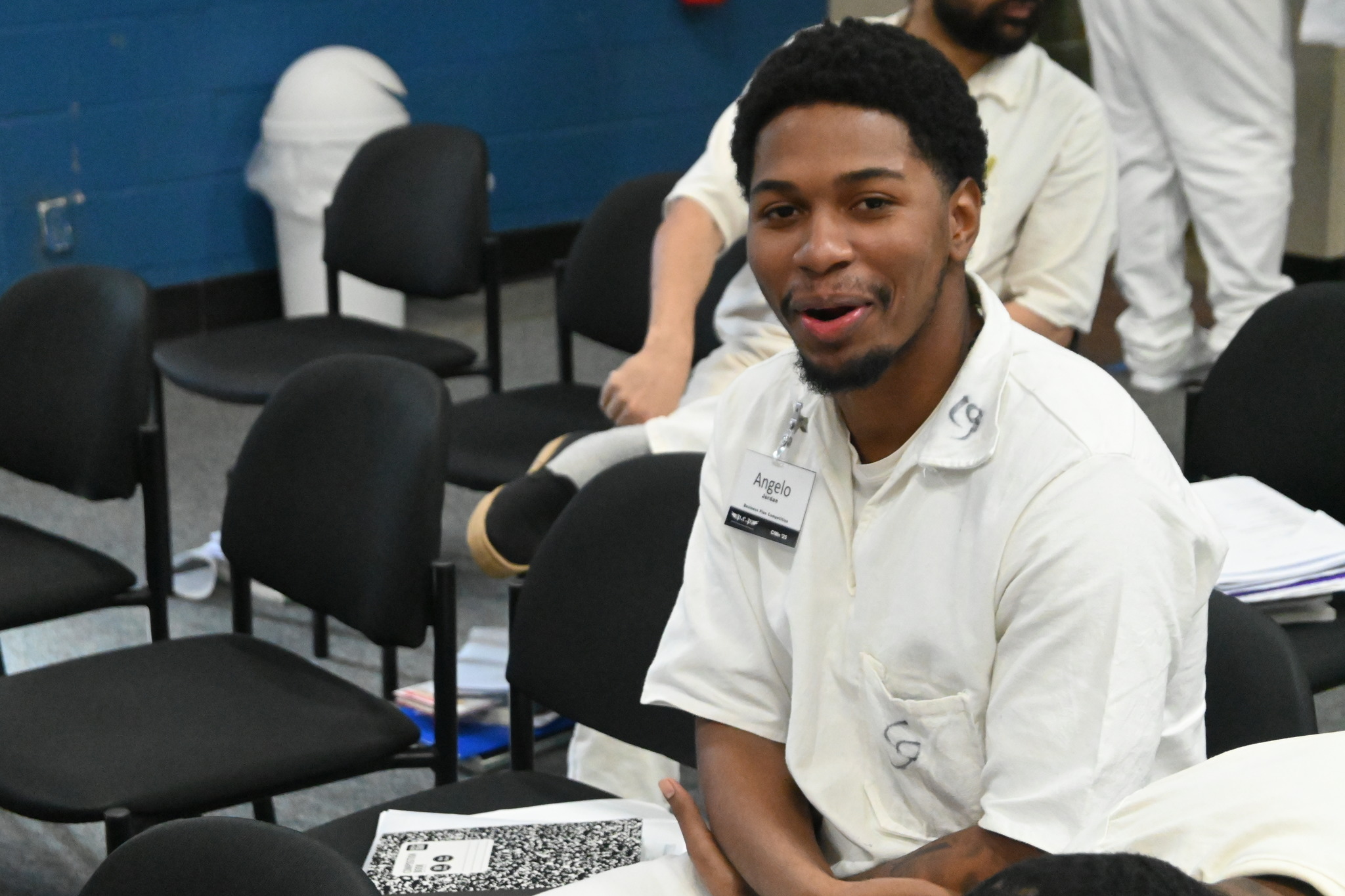
More Than Just Getting Hired For individuals reentering the workforce after incarceration, getting hired is only the first step. What happens after hiring often determines whether that opportunity leads to long term success. Workplace culture plays a major role in this outcome. The environment, expectations, and interactions within a workplace can either support growth or…
-
The Challenge of Staying Focused When Progress Feels Slow
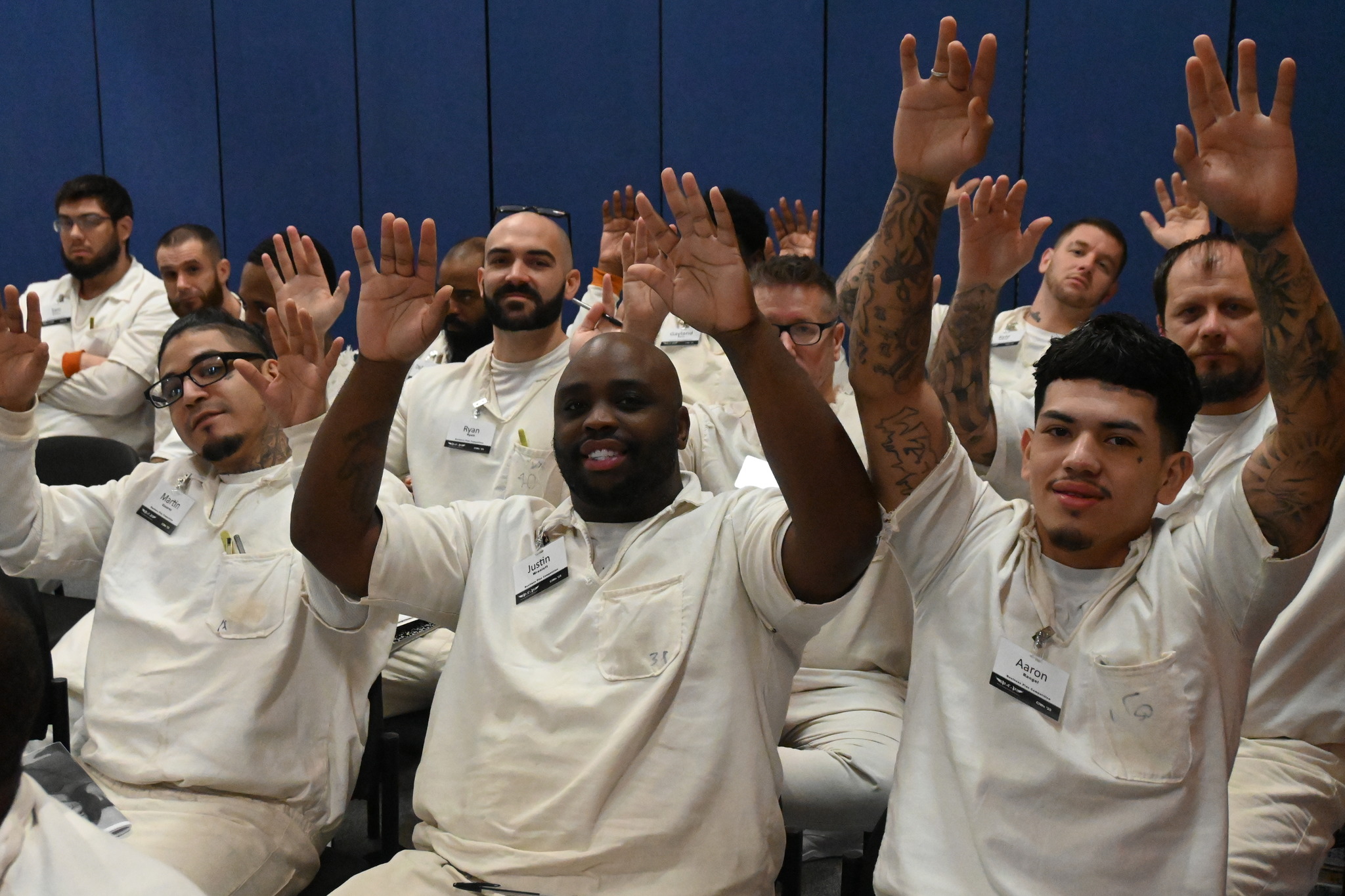
When Progress Feels Hard to See One of the most difficult parts of reentry is staying focused when results are not immediate. Individuals may be putting in consistent effort, but progress can feel slow or invisible. This phase can be frustrating. It may seem like nothing is changing, even when meaningful work is being done.…
-
Why Delayed Gratification Is a Key Skill in Reentry

Choosing the Future Over the Present After incarceration, many decisions involve a choice between immediate relief and long term benefit. This tension shows up in finances, employment, and daily habits. Delayed gratification is the ability to choose long term outcomes over short term rewards. It is a skill that directly impacts stability and success. Developing…
-
Measuring Progress in the First Year After Release

The First Year Sets the Direction The first year after incarceration is one of the most important periods in reentry. It is a time of adjustment, decision making, and rebuilding. Progress during this time is not always obvious. It is often gradual and made up of small steps rather than major milestones. Understanding how to…
-
Why Environment Changes Do Not Always Lead to Behavior Change
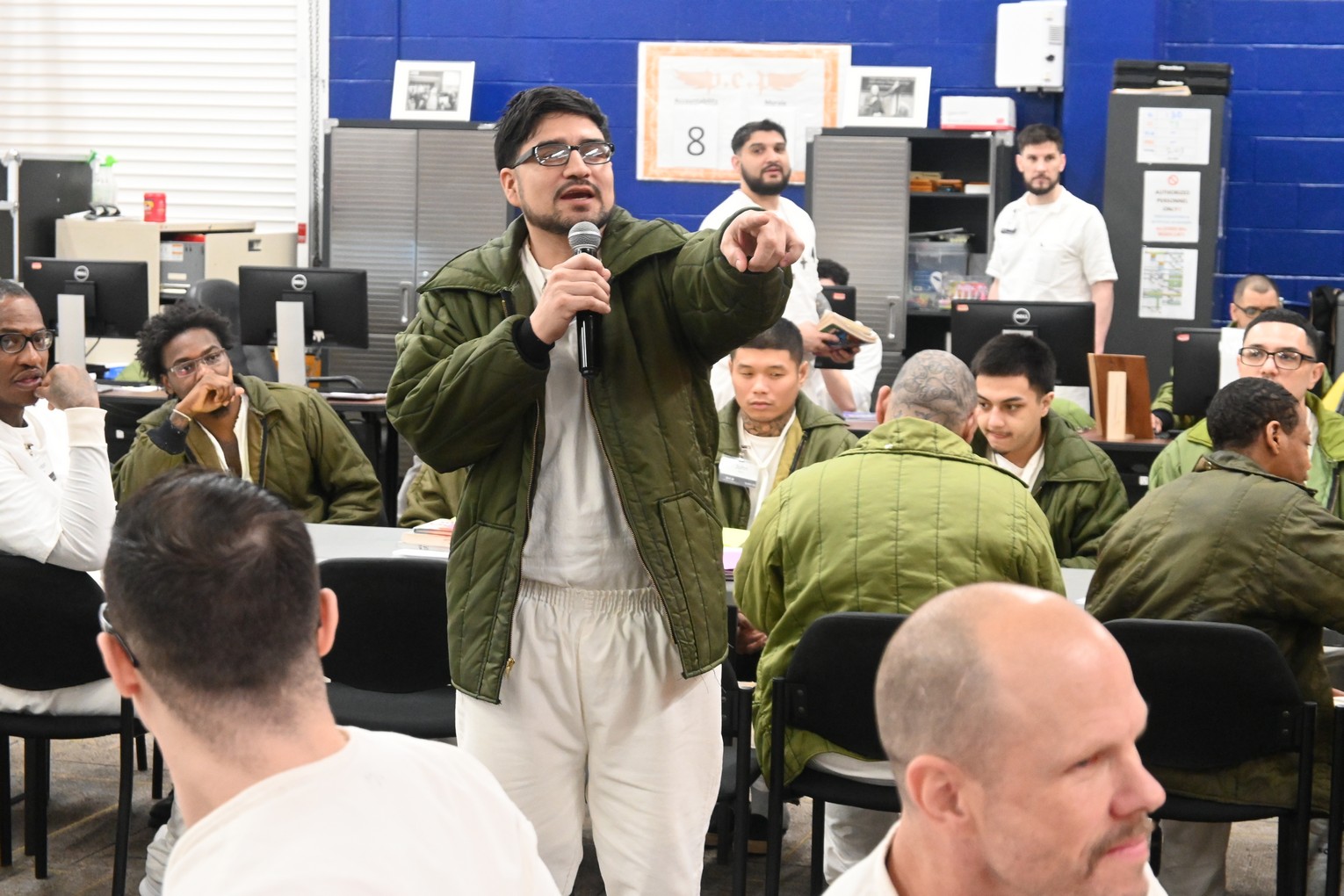
A New Environment Is Only the Beginning After incarceration, individuals often enter a completely different environment. New surroundings, new expectations, and new opportunities can create a sense of change. While environment plays a major role in behavior, it does not automatically lead to transformation. Simply changing location or circumstances does not guarantee different outcomes. Real…
-
The Role of Financial Discipline in Long Term Success
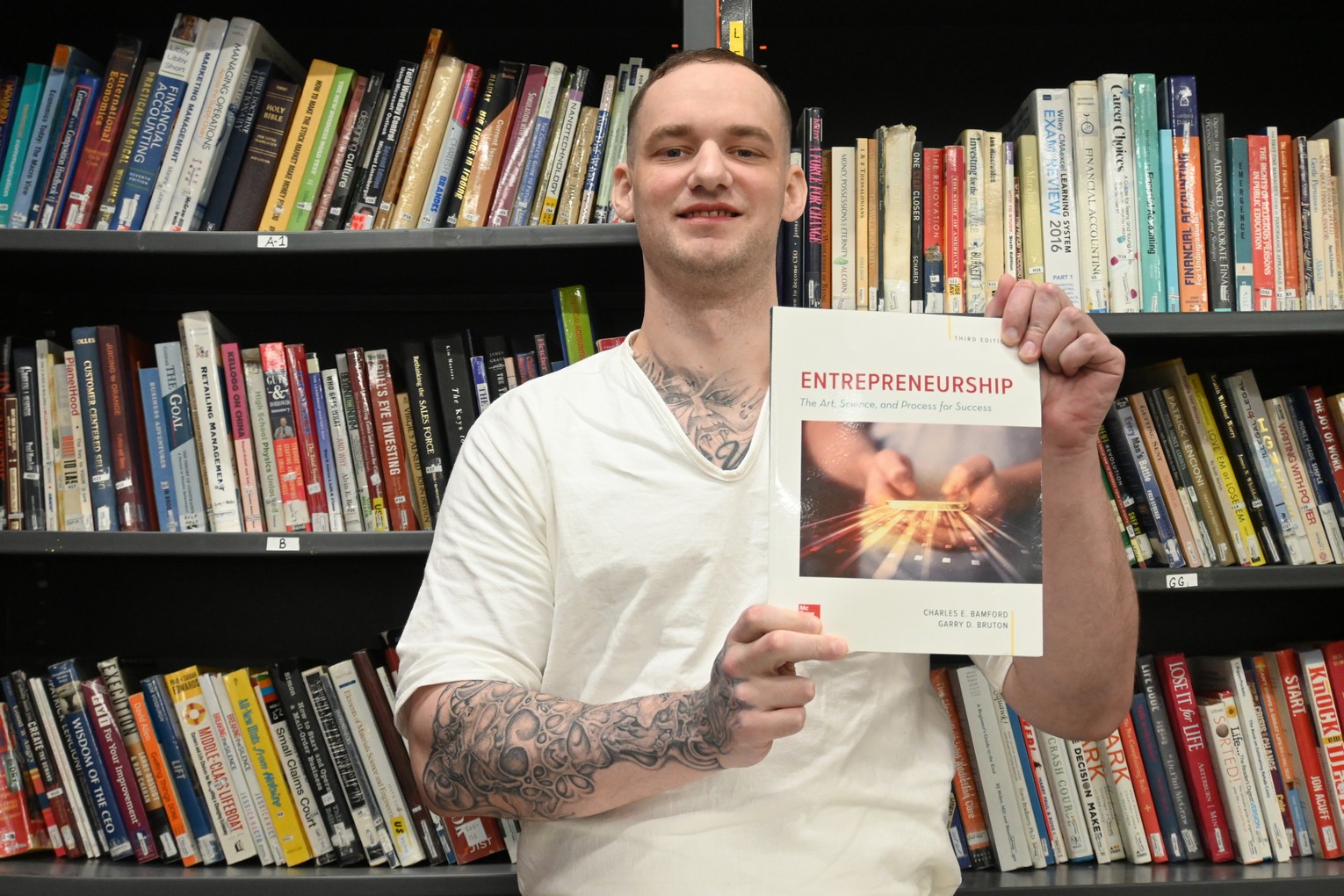
Income Alone Is Not Enough After incarceration, earning income is a major step forward. It creates opportunity and provides a sense of progress. However, income alone does not guarantee stability. Without financial discipline, money can be mismanaged, and progress can stall. Financial discipline is what turns income into long term success. What Financial Discipline Means…
-
Why Time Management Is a Critical Skill After Incarceration

Time Becomes Your Responsibility After incarceration, one of the biggest changes is how time is managed. In structured environments, schedules are set. Outside of that structure, individuals are responsible for managing their own time. This shift can be challenging. Without a clear system, time can be lost, misused, or filled with low impact activity. Time…