
PEP Monthly Newsletter
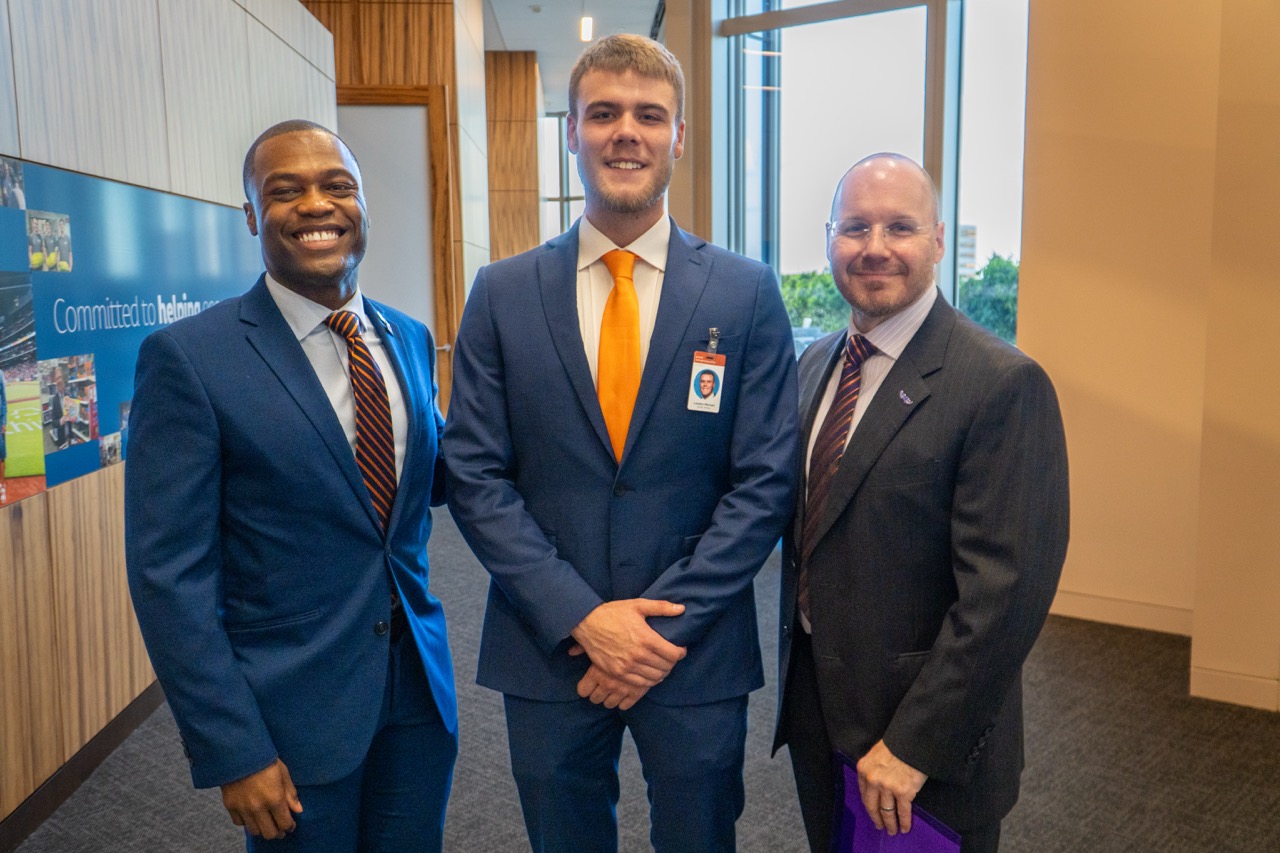
Honoring Our 2026 Houston Award Winners.

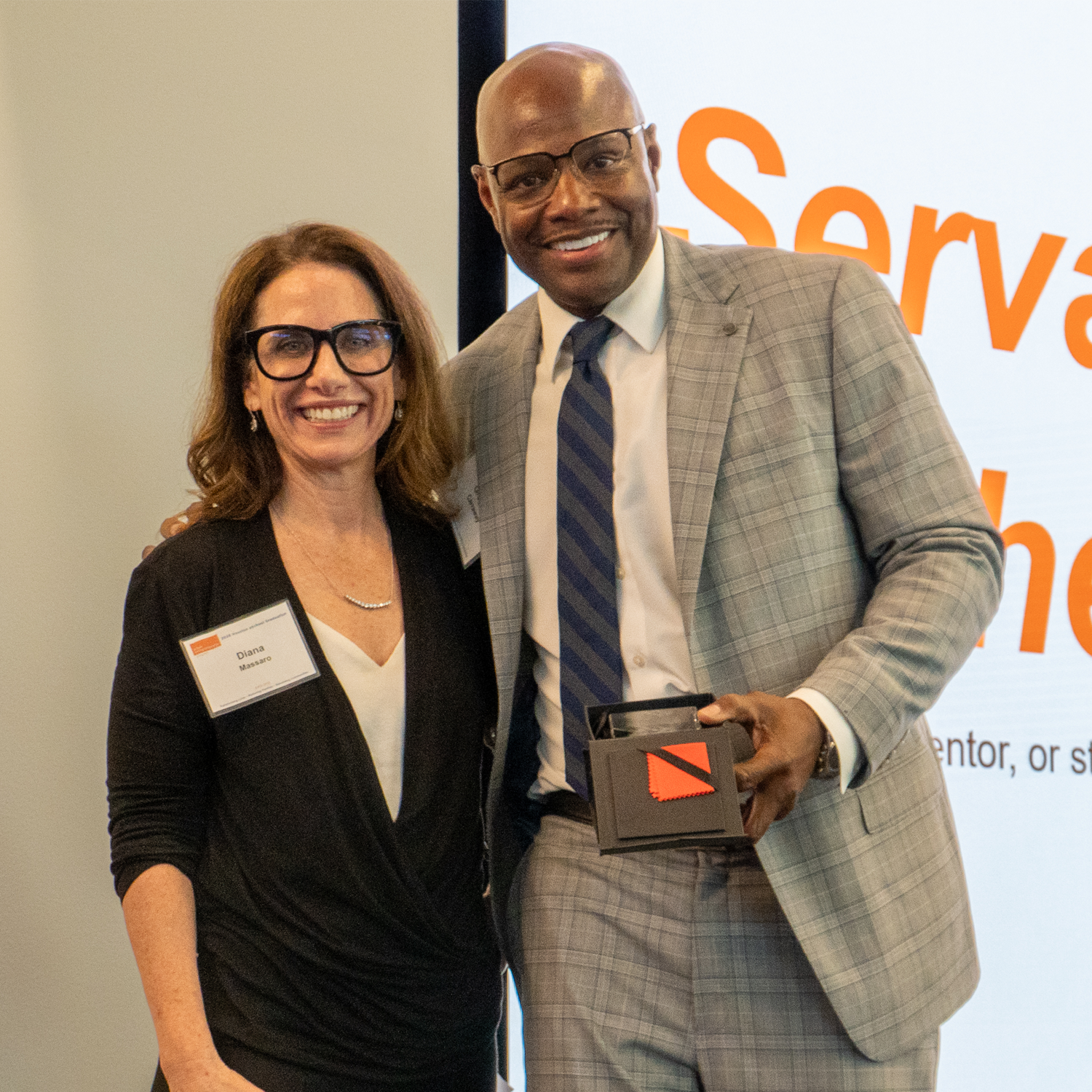
Entrepreneur of the Year
Richard Cantu
Servant-Leader of the Year
Gregory Carraway
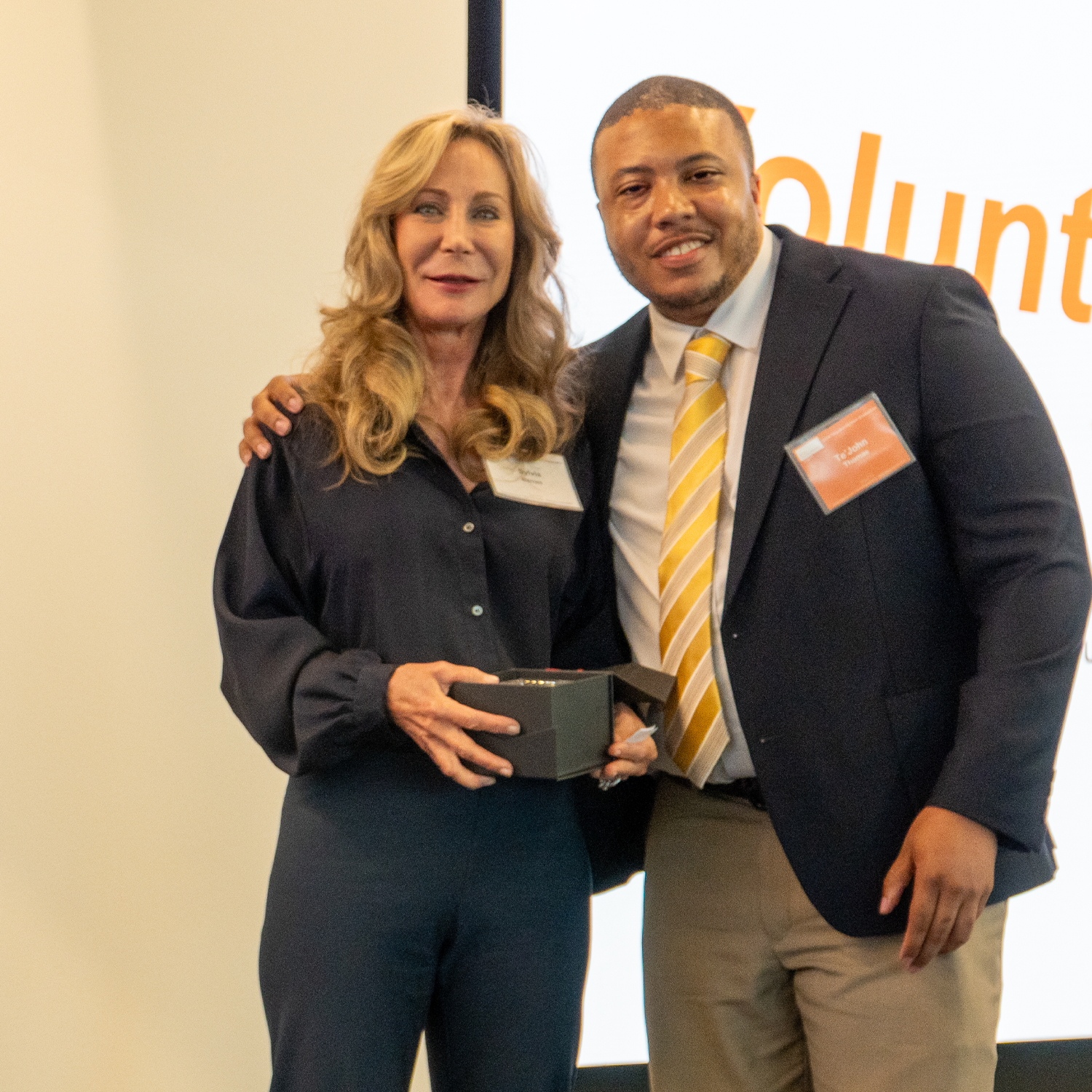
Volunteer of the Year
Sylvia Barnes
Leading PEP Forward
CEO Insights
This month, PEP began working in a new prison unit. The Wainwright Unit is north of Huntsville, near Madisonville. It is a red-brick facility built in 1917, surrounded by cornfields and cattle, with no air conditioning in the cell blocks that house approximately 2,500 inmates. Wainwright is the second Incentivized Housing Program unit in which PEP now operates, the other being Estelle (Huntsville), where PEP has been operating since October 2025.
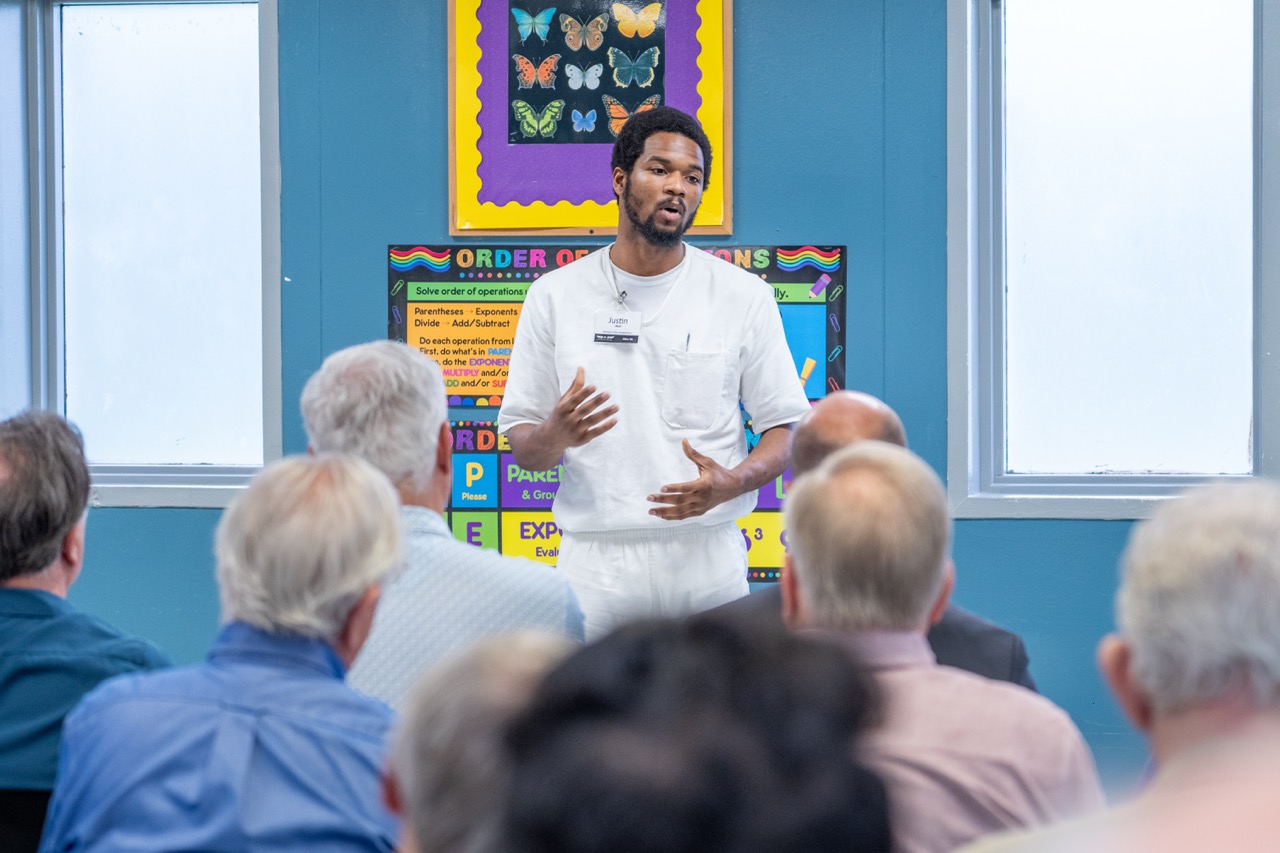
When we first began working at Estelle—and again this past week at Wainwright—I imagined this is what PEP must have felt like in 2004, when it all began. Long before there was music, dancing, rooms painted with the PEP logo, servant leaders, sweet names, and the like, there were four or five executive volunteers and a couple dozen men who believed the other had something to offer.
This. Is. Prison. Sometimes, the familiarity of Estes and Lychner causes me to be too comfortable in prison, but not this. It was a reality check.
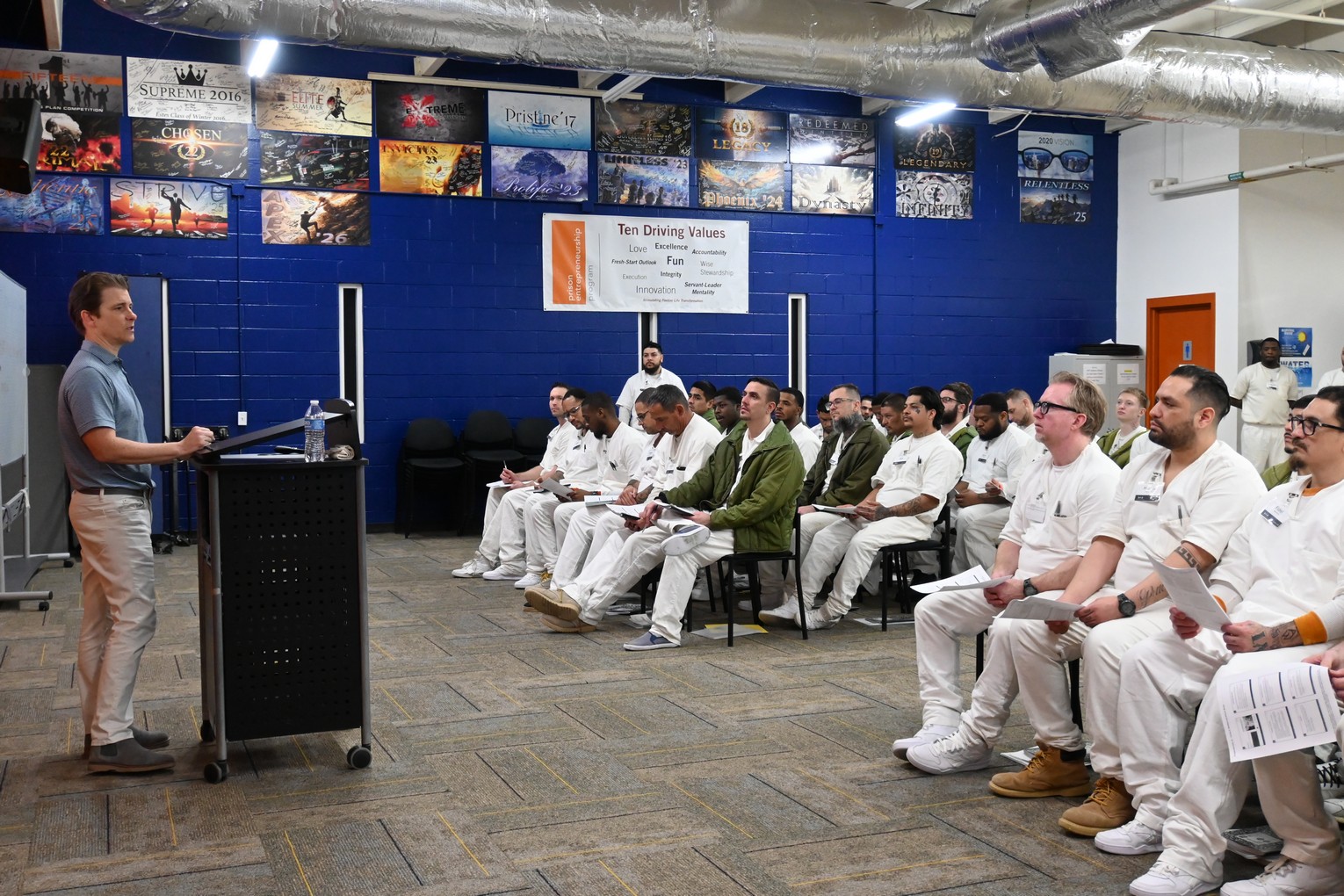
Though it wasn’t flashy, there was a sense of ceremony on this first day of PEP’s presence in a new unit. As the occasion seemed to call for it, I had prepared remarks about transformation, community, and the 10 Driving Values. However, as those 35 men walked into the room through a metal detector in their ragged whites, followed by a pat-down and search—even though they had never left the prison grounds—I realized my remarks were not appropriate for the moment.
I don’t remember exactly what I said, but I do remember a conversation with one of the men afterward. After confirming that I had never been an inmate, he asked me, “Why do you care? Why do you do what you do?”
It gave me pause.
“Because I have met a lot of good men in prison,” I replied. “Because PEP has taught me that you can be part of the solution to many of the challenges we face on the outside. In here, you learn how to hold each other accountable without becoming overly judgmental. In here, you learn to be present without the constant distractions of technology. In here, you learn to survive hell. You develop the kind of resilience our communities and workplaces desperately need. And because, in my experience, after you’ve lost everything, you feel entitled to nothing. If you can stay connected to this community, this community will give you a voice you might never have otherwise found.”
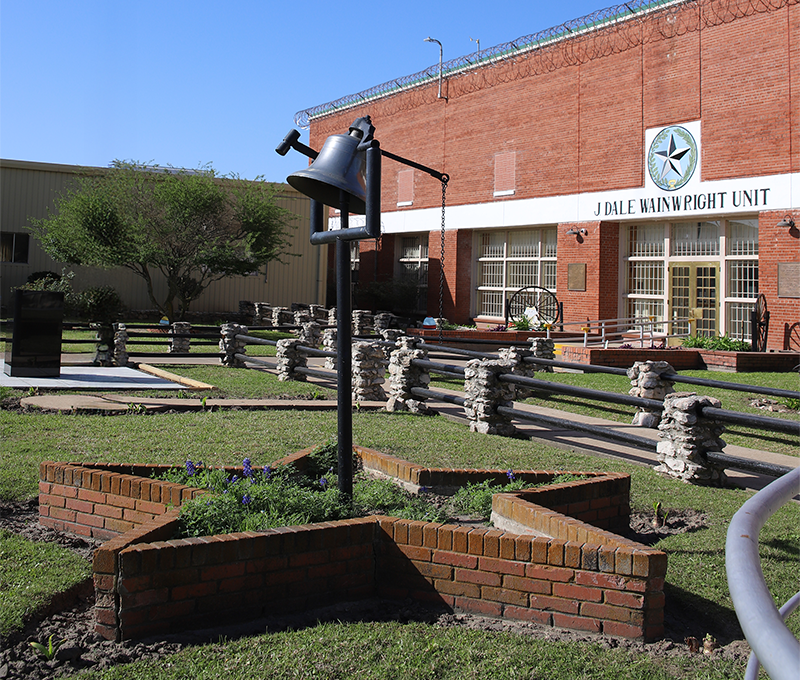
This. Is. Prison. Sometimes, the familiarity of Estes and Lychner causes me to be too comfortable in prison, but not this. It was a reality check.
As I drove back to Houston, I reflected on that exchange and thought, That’s what I should have said to all of them.
Wainwright and Estelle are part of PEP’s expansion plan, which the Board approved as part of our strategic operating plan just a few weeks ago. Whereas PEP has traditionally worked with inmates within three years of release, our presence on the tablet and our partnership with TDCJ have given us the opportunity to begin working with men who are within three years of parole, even in units that are not designated pre-release prisons.
The result is that PEP is building an ecosystem with introductory, intermediate, and advanced levels of engagement. The goal is the same as it has always been—to reduce recidivism and transform lives—but now on a much larger scale.

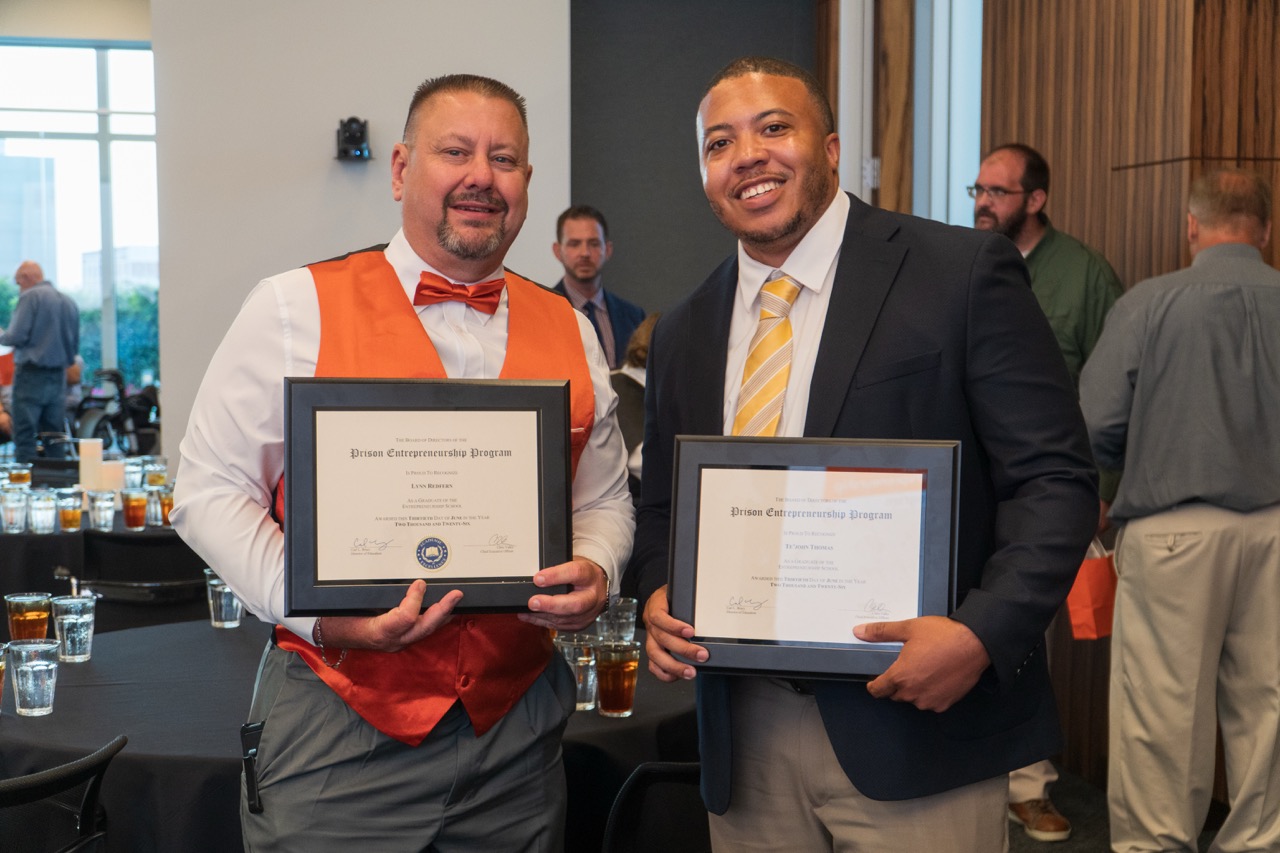
PEP has always been a learning organization, innovating and responding to the environment in which it operates. The introduction of the tablet and the Incentivized Housing Program has created an opportunity to reach thousands more men. Over the past year, PEP has carefully evaluated these pilot programs and determined that they are working even better than we first imagined. As a result, PEP’s operational plan for the next several years is more than a strategy—it is a blueprint built on proven results.
The question now is how we secure the resources needed to build this ecosystem.
If this has sparked your curiosity, I’d love to tell you more. Please reach out anytime. After all, if you’re receiving this newsletter, you are as much a part of this vision as anyone. None of this happens without people who invest their time, talent, and treasure because they, too, have come to believe that there are good men in prison.

Chris
Action, Not Words:
Meet The Estes Summer ’26 Valedictorian
A few weeks ago, PEP celebrated the Estes Summer Class of ’26 — a group of men who spent months confronting hard truths about themselves, building real businesses from the ground up, and learning to lead with humility instead of ego. At graduation, the class Valedictorian stood before his classmates, their families, and PEP’s volunteers to reflect on that journey: the fear of speaking in public, the discipline of Toastmasters, the vulnerability of looking honestly at his old self, and the decision to finally submit to change instead of running from it.
Watch his full address below.

Upcoming Houston Events

July 28, 2026
Outside Event
In conjunction with eSchool, executive volunteers are invited to a monthly networking event with our participants in Houston and North Texas. The event aims to connect you with eSchool participants and support them in developing their vision, creating resumes, leveraging LinkedIn, etc.
August 25, 2026
Outside Event
Provide quality feedback on participants’ business models that will encourage participants to improve and continually develop ideas; to serve as a business coach to further develop business ideas; Networking with participants and other attendees.
September 11, 2026
Round 2 : Lychner Fall 2026 Business Plan Competition
Join us for an evening of connection as we learn more about PEP and the Barbed Wire to Business event while celebrating second chances.
Upcoming North Texas Events
July 28, 2026
Outside Event
Provide quality feedback on participants’ business models that will encourage participants to improve and continually develop ideas; to serve as a business coach to further develop business ideas; Networking with participants and other attendees.
August 7, 2026
Round 1: Estes Fall 2026 Business Plan Competition
Judge individual participants on new business ideas from the lens of a consumer (i.e. Is the idea innovative? Is there a market?) Teams will be formed to move forward with the top ideas.
August 25, 2026
Outside Event
In conjunction with eSchool, executive volunteers are invited to a monthly networking event with our participants in Houston and North Texas. The event aims to connect you with eSchool participants and support them in developing their vision, creating resumes, leveraging LinkedIn, etc.
PARTICIPANT’S VOICE
Leadership is hard. It’s even harder when it’s new.

In this program, it’s all about having the opportunity to grow. Many people are put into positions with a level of responsibility and authority over others that may be unfamiliar to them. In this way, it’s easy for us to “armchair quarterback” their decisions.
I found myself in a discussion with a friend the other day where he was critical of someone else’s method of leadership. Admittedly, I am one of the first people ready to criticize when I see what I feel might be an injustice or misuse of a person’s authority. However, the person that was brought up in this discussion happens to be someone I know very well, and with this unique perspective and understanding of his motivations, I found myself taking the other side of the argument.
Why do we feel the need to criticize how other people manage their flock? It’s probably because we feel like PEP suffers from an idea called the Peter principle. Developed by Laurence Peter, this idea states that employees will be promoted based on their successes in previous roles until they are eventually promoted to a level at which they are incompetent.
However, this idea doesn’t consider that we are all growing and learning every day. By progressing consistently, it only makes sense that we would be put into roles that we might initially be uncomfortable in or not quite ready for. We aren’t typically selected for positions because we already know how to perform those positions. We are selected because we are capable of learning and growing into what’s demanded from the position.
What this means is that maybe you should cut your brother a little slack. We are all here to learn and grow. To do this, we need to get out of our comfort zone a little bit. Sometimes, we may not do things exactly the way we should until we grow into our new role. However, you’re growing too. If you weren’t trying to be better, you wouldn’t be here in this program. So get out of your comfort zone, allow yourself to make some mistakes, and try to withhold judgment when the men around you are doing the same.
By Dillon W.