Beyond Resolutions: What PEP Teaches About Real Change
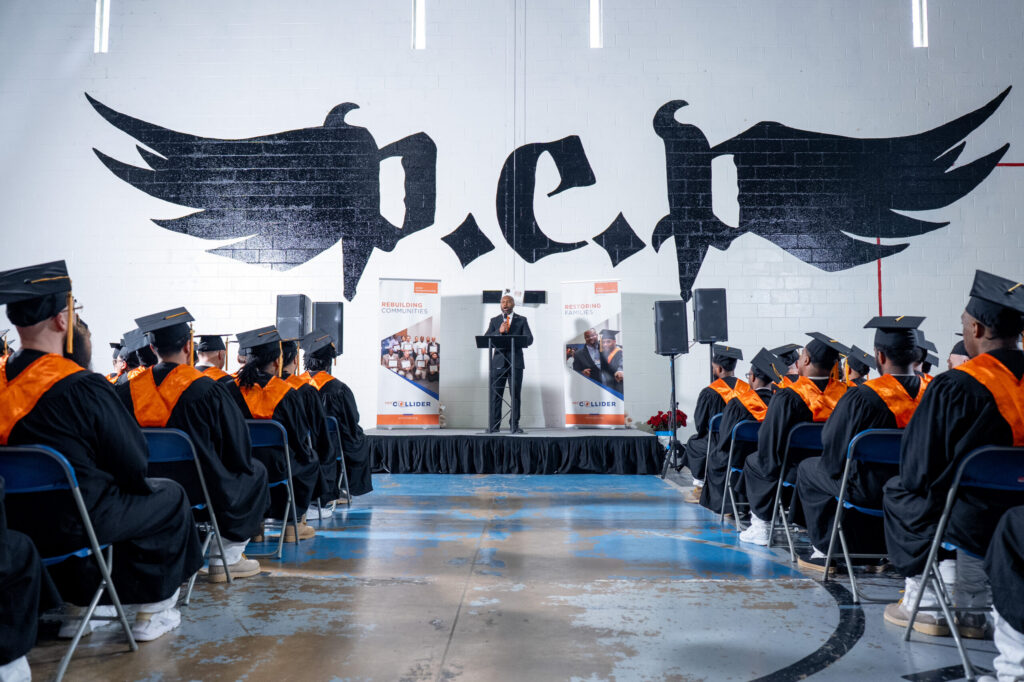
Resolutions Are Easy. Real Change Isn’t. Every December 31, people around the world make promises to themselves, to start fresh, do better, try harder. But inside PEP, the message is different: sustainable change isn’t about one night of motivation. It’s about a mindset that lasts all year. That’s what PEP teaches, and what graduates live […]
Why Consistency Beats Motivation in Reentry Success

Change Happens in the Daily Choices Motivation is powerful, but it fades. Consistency, on the other hand, builds momentum. That’s why PEP teaches participants not just how to feel inspired, but how to build structure. Whether it’s budgeting, showing up on time, or managing stress, transformation after incarceration comes from daily habits, not occasional highs. […]
Preparing for 2026: How PEP Builds Momentum Year After Year

Transformation Is a Long Game PEP doesn’t view progress in terms of headlines. It measures growth in changed lives, stable reentry, and generational impact. Every December is more than a year-end recap, it’s a pivot point. Reflecting on Progress Throughout 2025, PEP has: But numbers only tell part of the story. The deeper change happens […]
Why Emotional Intelligence Matters in Reentry

It’s Not Just What You Know, It’s How You Manage It Reentry challenges aren’t just logistical. They’re emotional. From rebuilding relationships to facing rejection, success after incarceration requires more than a resume or a business plan. It requires emotional intelligence, and that’s something PEP teaches intentionally. What Is Emotional Intelligence? Emotional intelligence (EQ) is the […]
Financial Literacy Is Freedom: Why We Teach It Behind Bars

Money Mistakes Don’t Stop at the Gates For many PEP participants, financial missteps played a role in the path to incarceration, whether through survival choices, lack of opportunity, or cycles of poverty. If those habits aren’t addressed, they often repeat after release. That’s why PEP doesn’t just teach business. It teaches life money. What Financial […]
The Power of Testimony: Why Storytelling Matters in Transformation
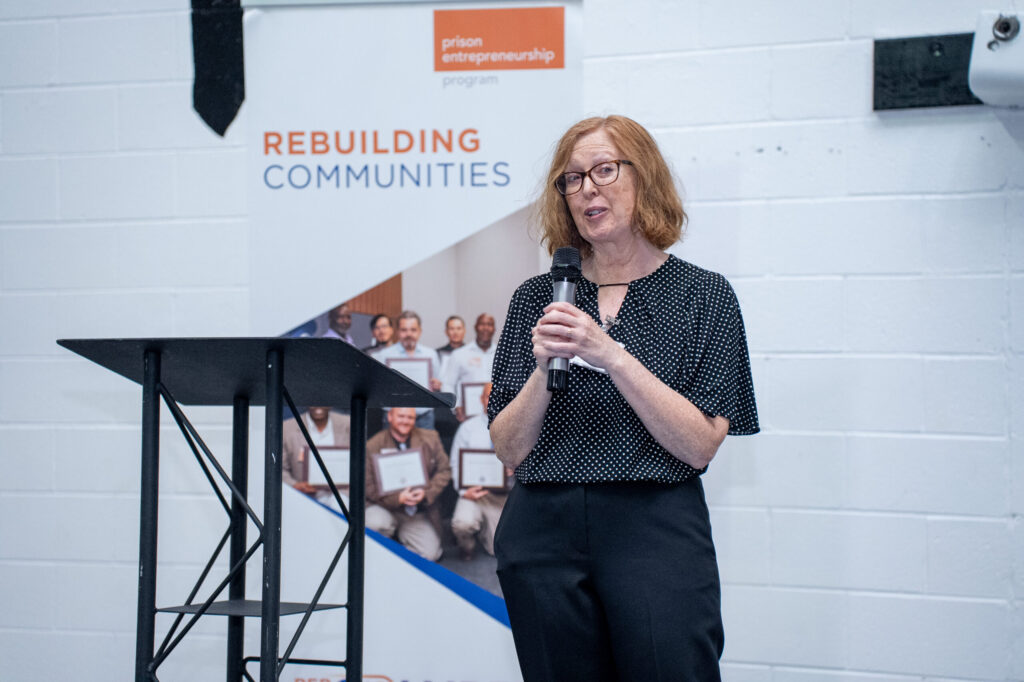
Stories Carry Power Inside PEP, storytelling isn’t a side note, it’s part of the process. Participants are encouraged to share their past, speak about their growth, and define who they’re becoming in their own words. This isn’t about guilt or shame. It’s about truth and transformation. Why It Works When someone learns to tell their […]
From Theory to Practice: How PEP Prepares Men for Real Business Challenges

Business Lessons That Go Beyond the Books PEP isn’t just about lectures and textbooks. It’s a full-scale business boot camp designed to simulate the pressures and demands of real-world entrepreneurship, all inside a prison unit. Participants don’t just study business concepts. They practice them. Learning by Doing The curriculum includes immersive exercises like: The goal […]
Why Identity Work Matters in Reentry

Who You Believe You Are Shapes Who You Become Reentry is about more than housing and jobs. It’s about how someone sees themselves after prison and what kind of future they believe is possible. Many returning citizens carry labels: felon, inmate, offender. At PEP, we challenge those labels. We believe that rebuilding identity is central […]
Can a Prison Program Help You Heal?

More Than Business Many people assume that prison programs focus only on discipline, routine, or job training. At PEP, the approach is different. Our curriculum includes real conversations about pain, trauma, and the choices that led to incarceration. Because if a person is going to build a new life, they have to confront the past […]
The Importance of Stable Housing in Reentry

A Key to Long-Term Success Housing is one of the most important, and most difficult, parts of reentry. Without a safe place to live, everything else becomes harder: finding work, rebuilding relationships, and maintaining personal growth. For returning citizens, stable housing isn’t just shelter. It’s security, structure, and a foundation for the future. Barriers to […]