
Explore stories, updates, and insights from the Prison Entrepreneurship Program, including news from our newsletter, participant successes, and program updates.
-
What Sustainable Success Actually Looks Like After Prison
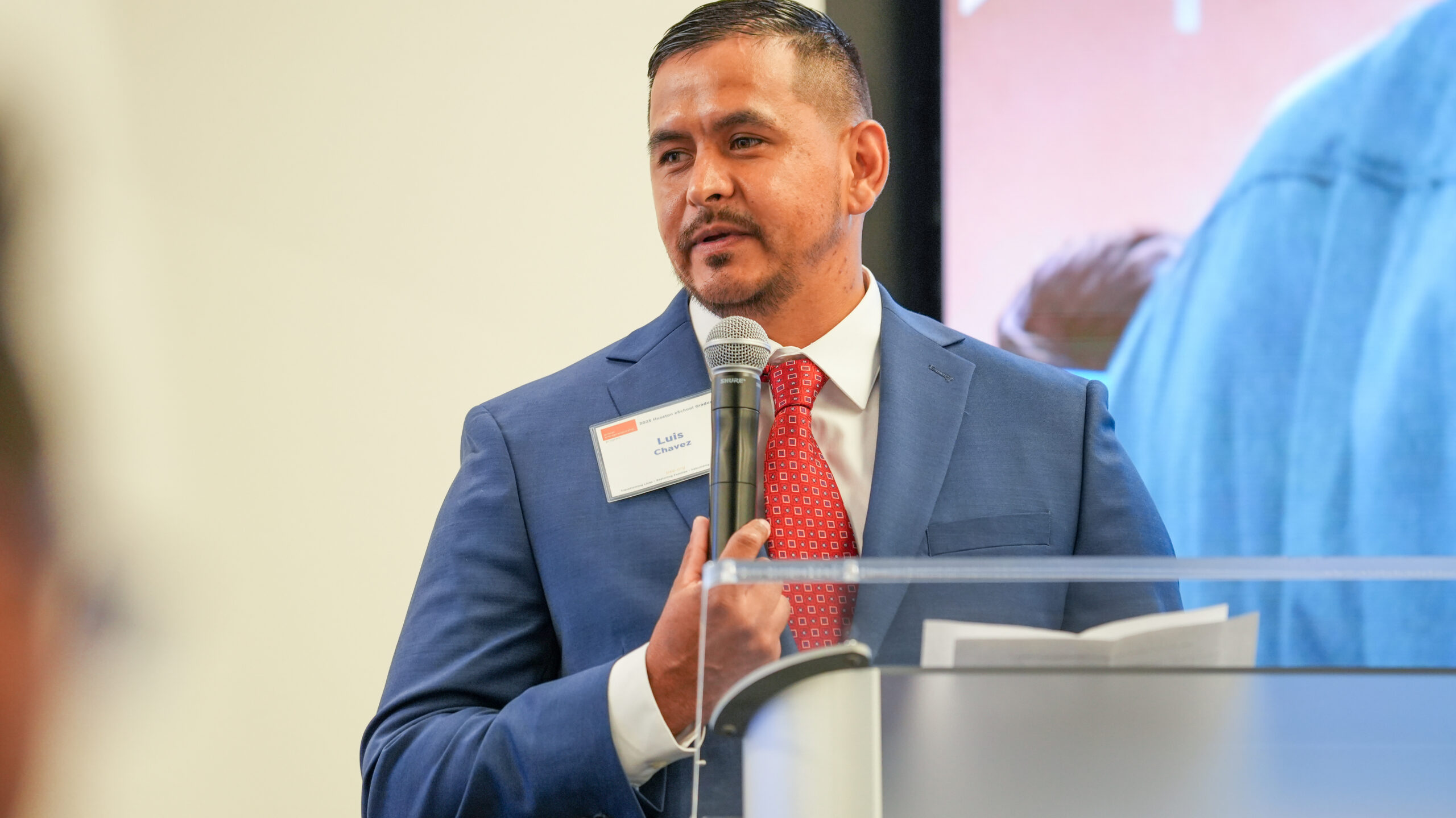
Success That Lasts Over Time After incarceration, success is often measured by immediate achievements. Getting a job, securing housing, or completing a program are all important steps. However, sustainable success goes beyond these early milestones. It is not just about achieving progress, but about maintaining it over time. True success is built on consistency, stability,…
-
How Workplace Culture Impacts Second Chance Employees
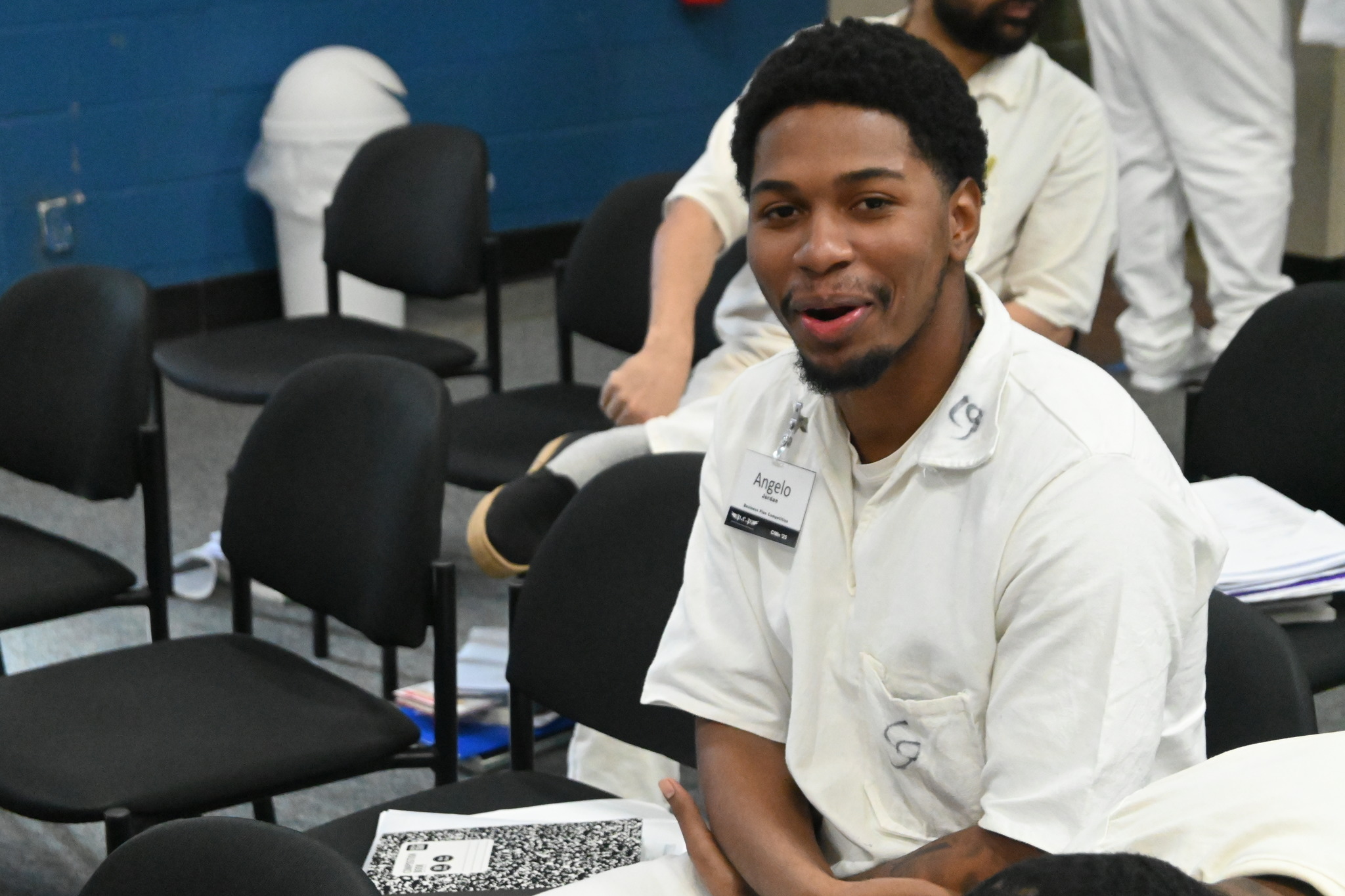
More Than Just Getting Hired For individuals reentering the workforce after incarceration, getting hired is only the first step. What happens after hiring often determines whether that opportunity leads to long term success. Workplace culture plays a major role in this outcome. The environment, expectations, and interactions within a workplace can either support growth or…
-
The Challenge of Staying Focused When Progress Feels Slow
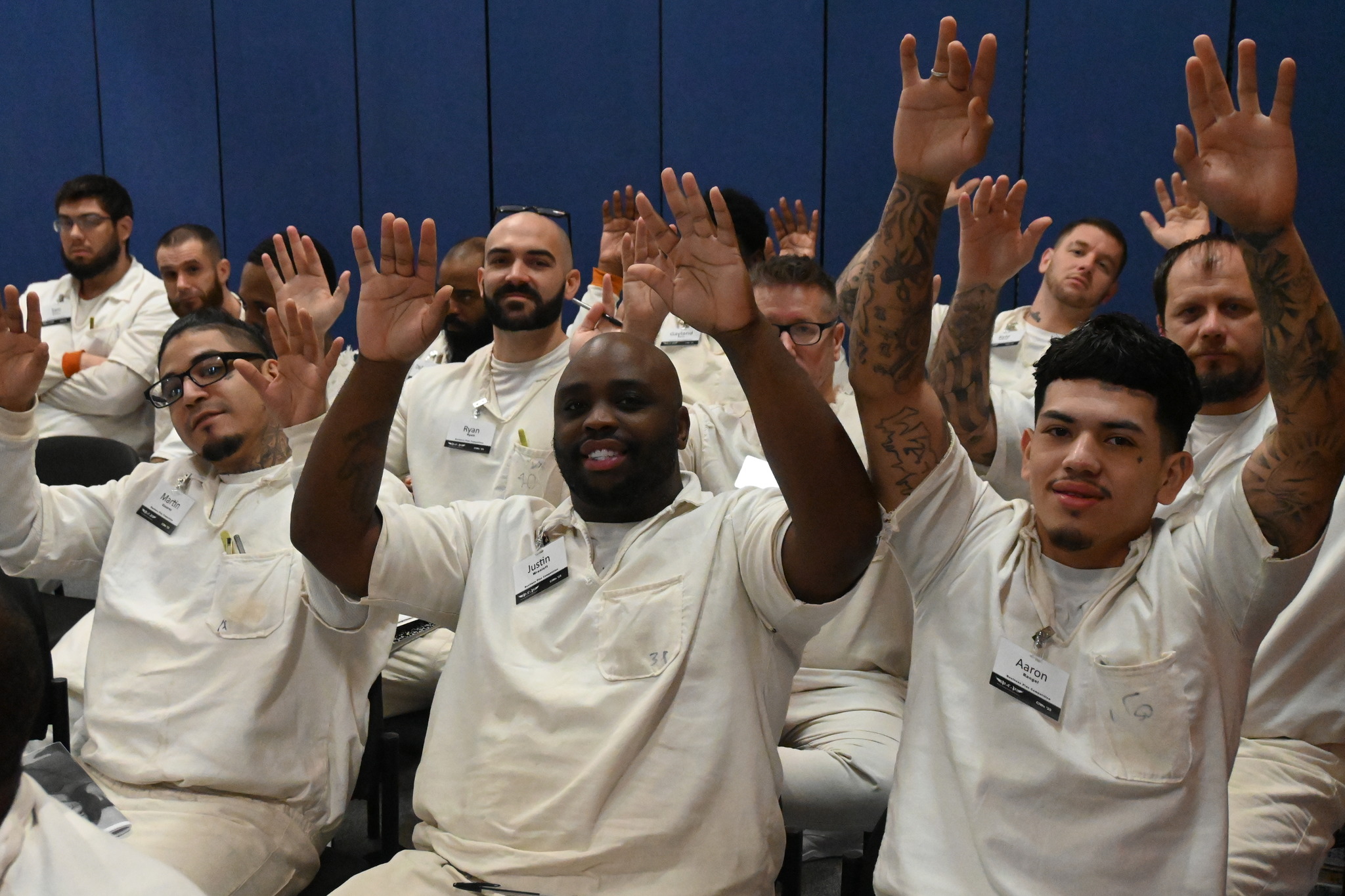
When Progress Feels Hard to See One of the most difficult parts of reentry is staying focused when results are not immediate. Individuals may be putting in consistent effort, but progress can feel slow or invisible. This phase can be frustrating. It may seem like nothing is changing, even when meaningful work is being done.…
-
Why Delayed Gratification Is a Key Skill in Reentry

Choosing the Future Over the Present After incarceration, many decisions involve a choice between immediate relief and long term benefit. This tension shows up in finances, employment, and daily habits. Delayed gratification is the ability to choose long term outcomes over short term rewards. It is a skill that directly impacts stability and success. Developing…
-
Measuring Progress in the First Year After Release
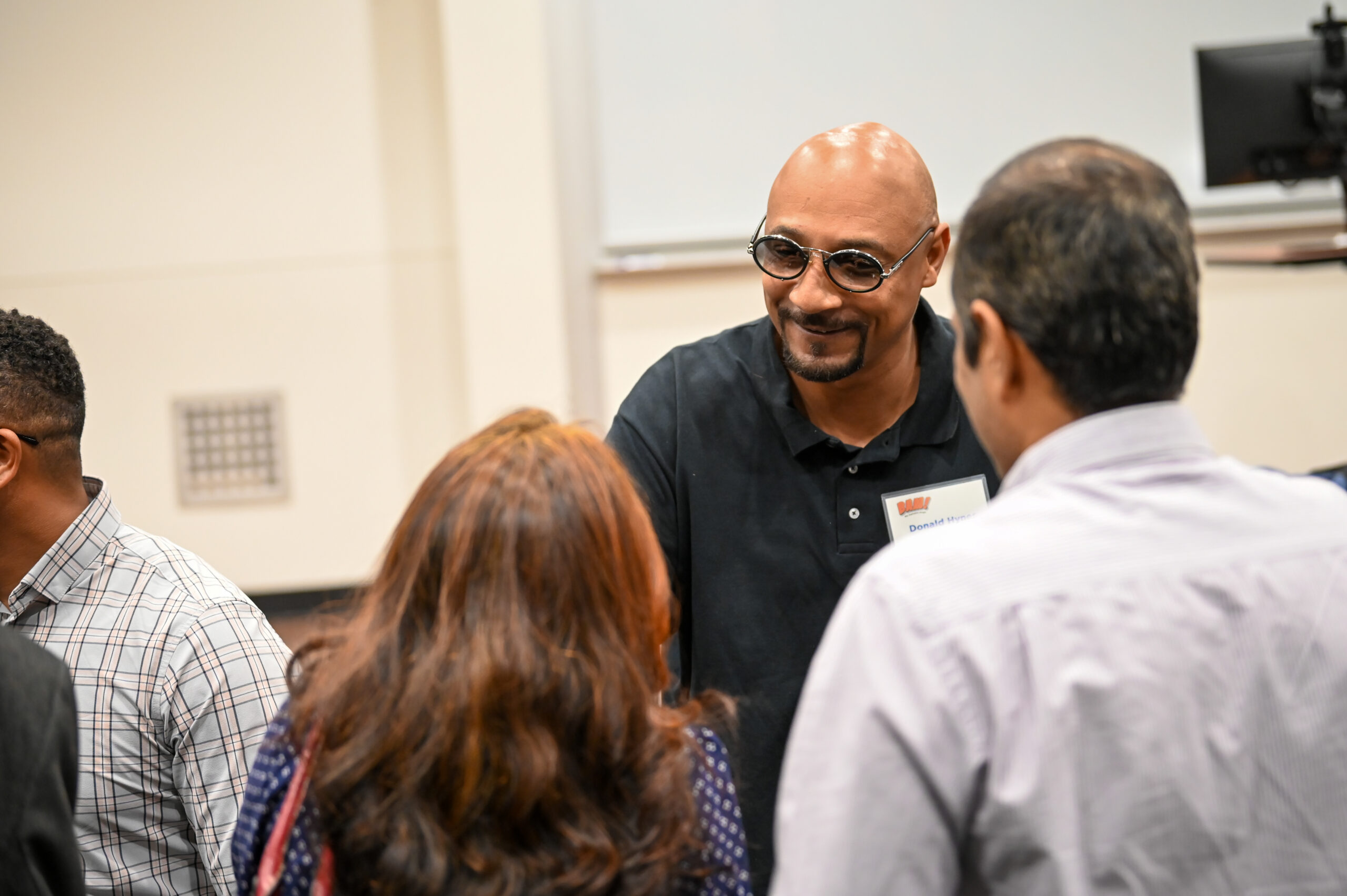
The First Year Sets the Direction The first year after incarceration is one of the most important periods in reentry. It is a time of adjustment, decision making, and rebuilding. Progress during this time is not always obvious. It is often gradual and made up of small steps rather than major milestones. Understanding how to…
-
Why Environment Changes Do Not Always Lead to Behavior Change
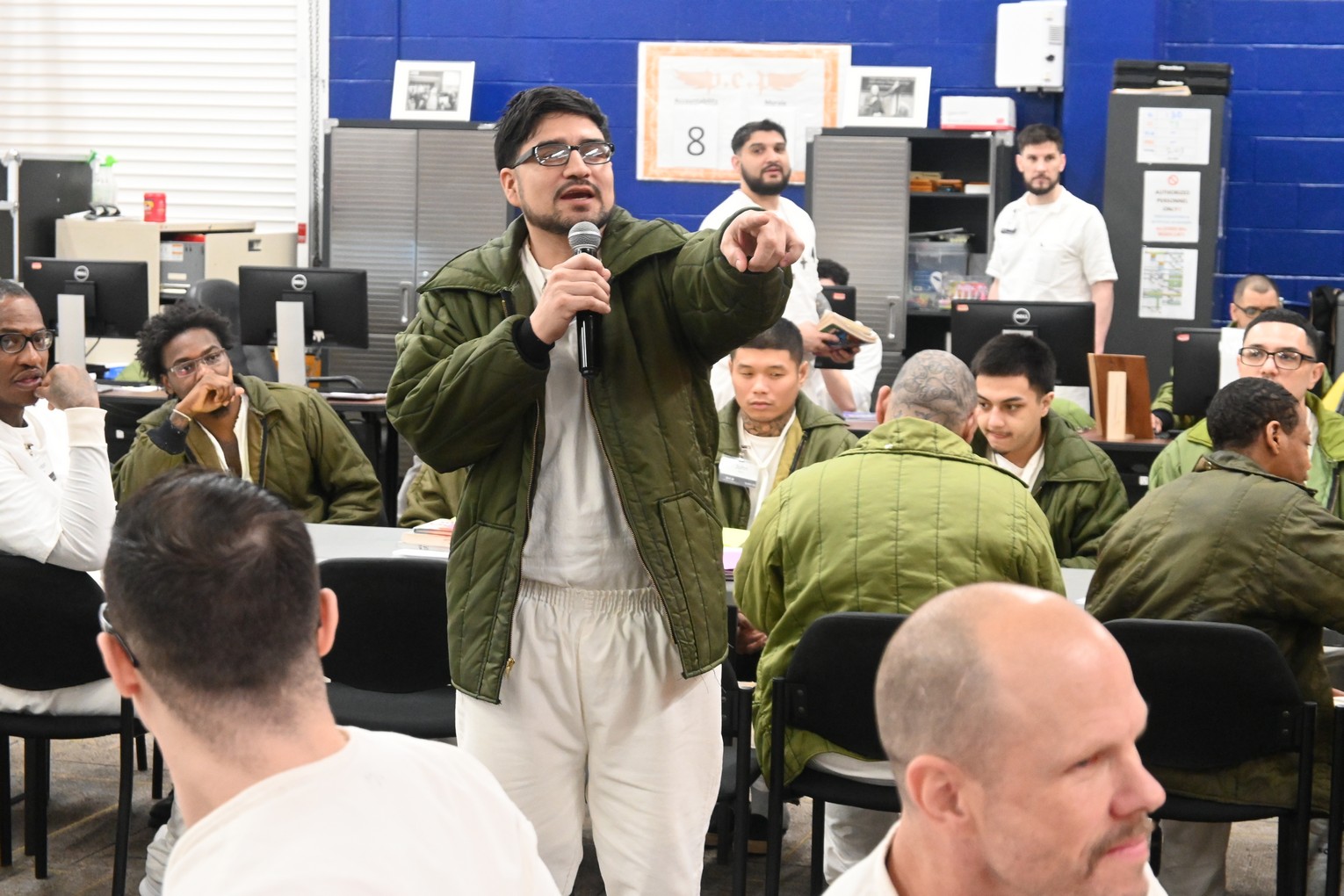
A New Environment Is Only the Beginning After incarceration, individuals often enter a completely different environment. New surroundings, new expectations, and new opportunities can create a sense of change. While environment plays a major role in behavior, it does not automatically lead to transformation. Simply changing location or circumstances does not guarantee different outcomes. Real…
-
The Role of Financial Discipline in Long Term Success
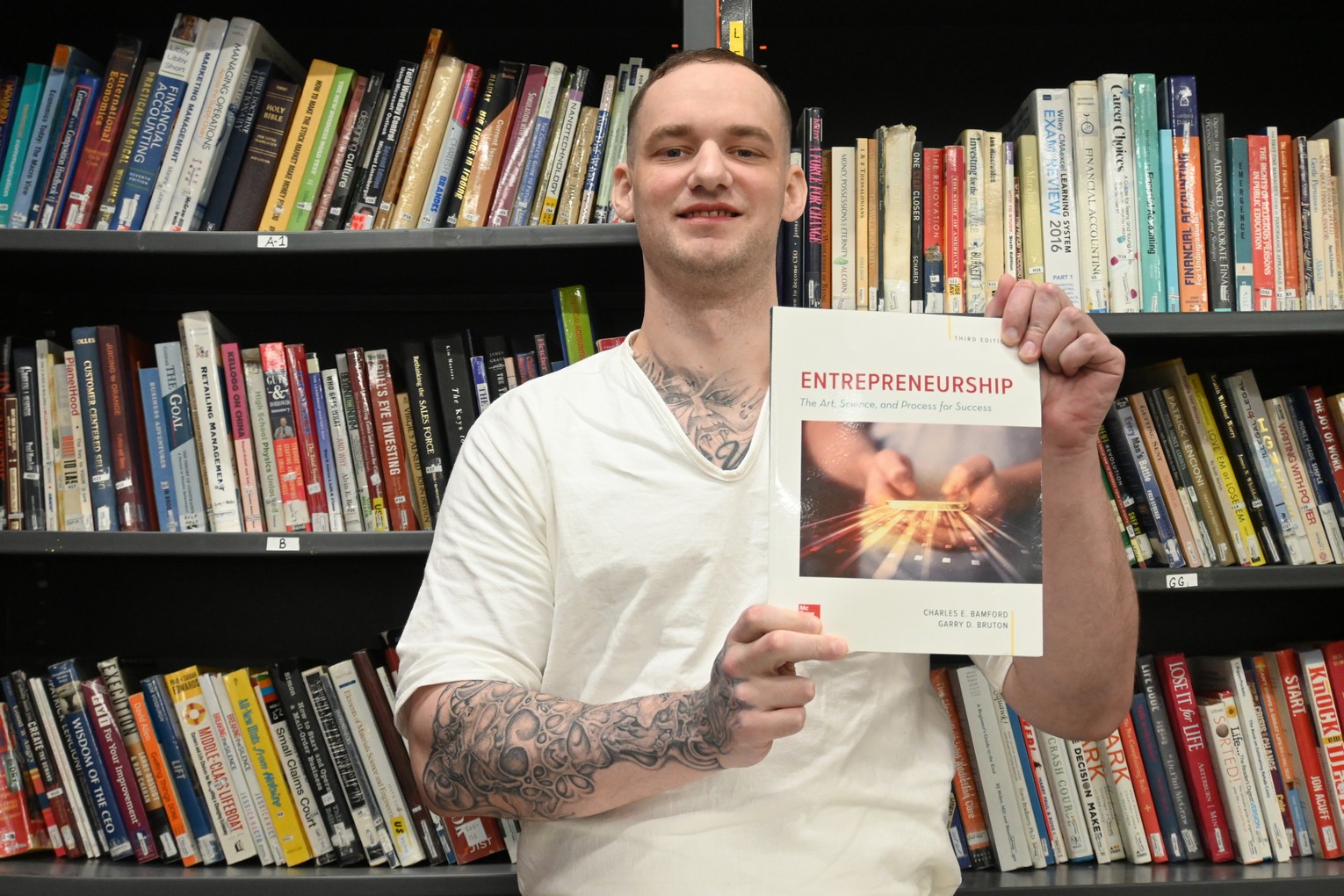
Income Alone Is Not Enough After incarceration, earning income is a major step forward. It creates opportunity and provides a sense of progress. However, income alone does not guarantee stability. Without financial discipline, money can be mismanaged, and progress can stall. Financial discipline is what turns income into long term success. What Financial Discipline Means…
-
Why Time Management Is a Critical Skill After Incarceration

Time Becomes Your Responsibility After incarceration, one of the biggest changes is how time is managed. In structured environments, schedules are set. Outside of that structure, individuals are responsible for managing their own time. This shift can be challenging. Without a clear system, time can be lost, misused, or filled with low impact activity. Time…
-
How Stability Changes the Way People Make Decisions

Decisions Change When Stability Exists After incarceration, many decisions are made under pressure. When resources are limited and uncertainty is high, choices are often driven by immediate needs. As stability begins to develop, decision making starts to change. Individuals are no longer focused only on short term survival. They begin to think more clearly, plan…
-
What Employers Mean When They Say “Long Term Potential”

It Is Not About Being Perfect When employers talk about “long term potential,” they are not looking for perfect candidates. They are looking for individuals who can grow, adapt, and contribute over time. This is especially important in second chance hiring. Employers understand that candidates may not have traditional experience, but they still want to…
-
The Mental Shift From Surviving to Building a Future
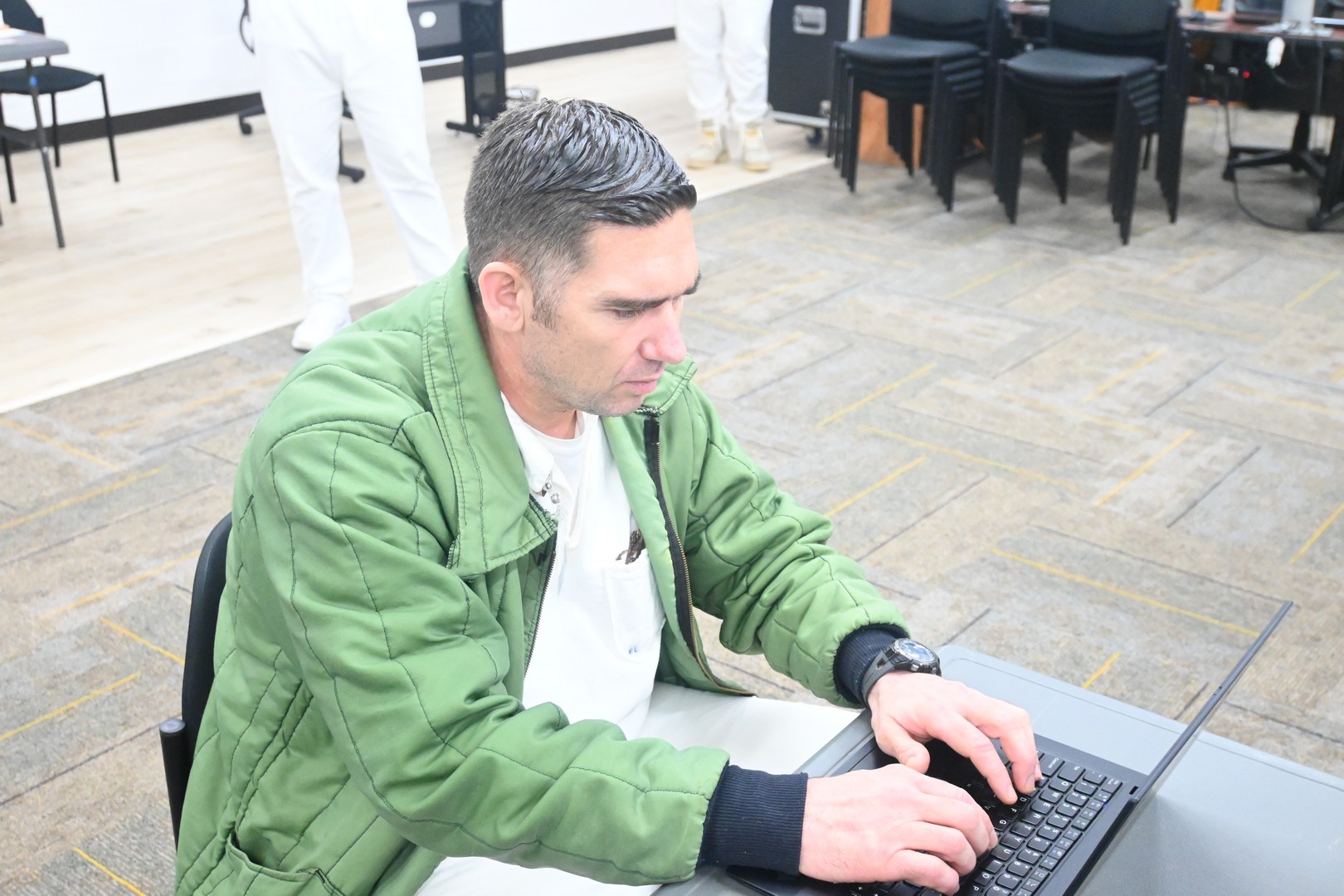
Moving Beyond Survival Mode After incarceration, survival often becomes the immediate focus. Finding income, securing housing, and meeting basic needs take priority. This focus is necessary in the early stages. However, long term success requires a shift beyond survival. At some point, the mindset has to change from getting through the day to building a…